This draft is a live test of the Christifa.com model image study workflow. The subject is an original adult fictional model, styled in everyday clothing with the wardrobe as the visual priority.
The Wardrobe Leads the Story
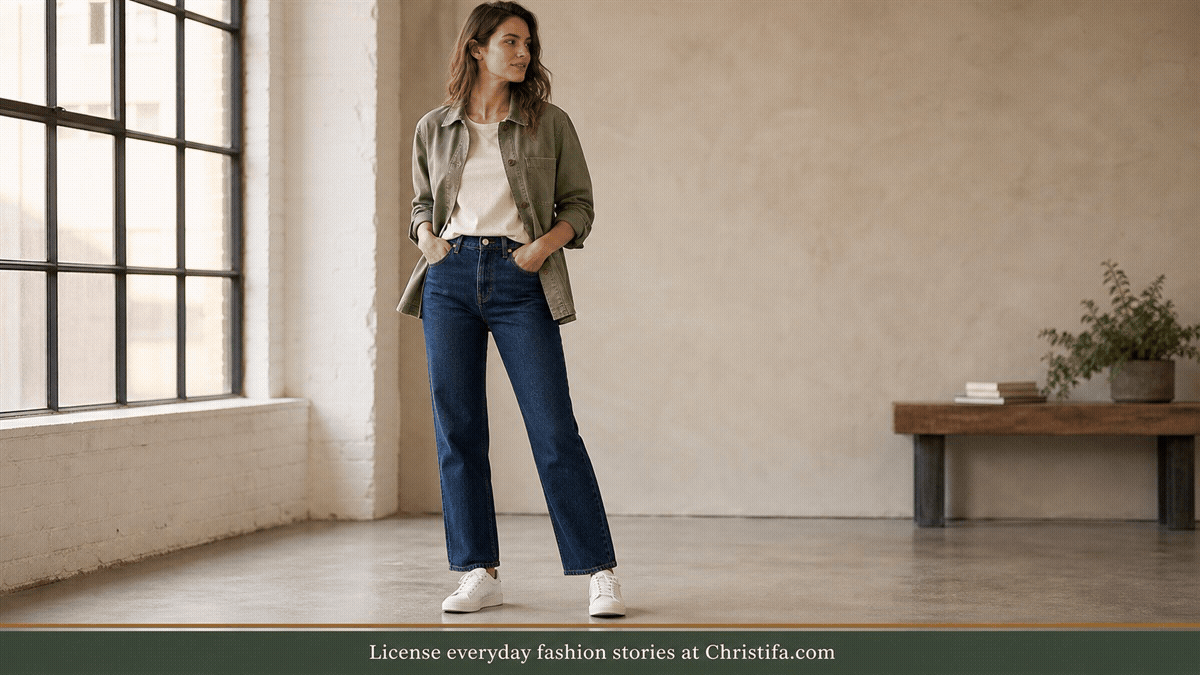
The first thing this image asks us to study is not the face, the background, or the technical polish. It asks us to study the clothing. The tall female model is dressed in everyday pieces that many viewers already understand, which gives the image immediate commercial usefulness. A sage chore jacket, a cream cotton tee, dark straight denim, and clean white sneakers create a wardrobe language that is approachable without looking careless. The outfit is familiar, but the styling is deliberate. That balance is where strong commercial lifestyle photography often lives.
The model is presented with a long vertical frame, relaxed posture, and quiet confidence. The clothing is allowed to breathe. There is no excessive accessorizing and no competing prop that steals attention from fit, fabric, and silhouette. This matters because everyday clothing can be deceptively hard to photograph. Simple garments reveal whether the image has taste. The camera, lighting, pose, and styling all need to do subtle work because the wardrobe is not relying on spectacle.
Fit Creates the First Impression
The strongest wardrobe decision in the image is the relationship between the model’s height and the straight denim. The long line of the jeans gives the frame a clean downward movement, making the model appear composed and editorial without turning the image into formal fashion drama. The pants do not cling, and they do not disappear into the background. They give structure. For brands, that structure is valuable because it communicates ease, mobility, and confidence in a way that can support apparel, lifestyle, retail, travel, creative services, and professional branding campaigns.
The cream tee works as the visual resting point. It breaks up the deeper colors and keeps the outfit from becoming too heavy. The viewer’s eye moves from the model’s expression to the jacket, then down through the denim, and finally to the sneakers. That path feels natural because the clothing has clear value shifts. A good everyday outfit in a photograph needs this kind of rhythm. If every garment is the same weight, the image can feel flat. If every garment fights for attention, the styling can feel noisy. Here, the outfit works because each piece has a different job.
Texture Makes Simple Clothing Feel Photographic
Everyday wardrobe becomes more compelling when the image gives texture enough room to register. The sage jacket suggests a soft brushed cotton or light canvas. It carries a workwear reference, but the color keeps it calm and modern. The cream shirt reads as breathable cotton, which makes the styling feel human rather than overly polished. The denim has enough depth to hold the legs visually, while the white sneakers bring a practical finish that keeps the look grounded.
From a photographer’s point of view, these textures create a useful lesson. Wardrobe does not need extreme pattern to be memorable. It needs surfaces that respond to light in different ways. Cotton catches soft highlights. Denim absorbs more light and creates weight. A matte jacket creates gentle shadow around the body. White sneakers reflect just enough brightness to close the frame. This is why clothing selection should happen before the shoot rather than at the last minute. The fabric choices decide how the light will behave.
Color Keeps the Image Commercially Flexible
The palette is restrained on purpose. Sage, cream, indigo, and white are easy colors for a brand to use across many contexts. They can sit beside a product page, a blog post, a service landing page, or a social campaign without overpowering the surrounding design. The colors also feel seasonal without being trapped in a single season. Sage can read as spring or autumn. Cream is timeless. Indigo denim is universal. White sneakers bring clarity and a slight sense of motion.
For Christifa.com, this is an important licensing idea. A licensed image is often more useful when it leaves room for the buyer’s brand voice. Highly specific colors can be beautiful, but they can also narrow the image’s use. This wardrobe has personality while still giving designers space. A business could use it to talk about modern retail, personal branding, casual professionalism, sustainable basics, approachable luxury, city travel, or everyday confidence.
The Pose Supports the Clothing
The model’s stance is relaxed, almost still, but not stiff. That matters because the clothing is the point of the image. If the pose were too dramatic, the viewer would read performance first and wardrobe second. If the pose were too passive, the outfit might feel like a catalog record rather than a visual story. This middle ground lets the jacket hang naturally, the tee stay visible, and the denim keep its length. The pose gives the garments enough gravity to be believed.
There is also a practical composition choice in the model’s vertical placement. The full body remains visible, which helps buyers understand the outfit from head to shoe. Cropped fashion images can be powerful, but everyday wardrobe often benefits from a complete read. The viewer wants to know how the pieces work together. The image answers that without needing extra explanation.
The Setting Lets the Clothing Stay Useful
The background is intentionally quiet. It suggests a warm studio or clean urban interior with soft daylight and a grounded floor plane. The set gives atmosphere but does not compete with the outfit. That restraint is one of the best practices for clothing-focused photography. When the wardrobe is the commercial subject, the setting should create context rather than confusion. The image should make a viewer feel where the model is without making them study the location more than the garments.
This is especially useful for stock, licensing, and brand storytelling. A clean environment makes the image adaptable. A designer can crop it for a vertical social post, use it horizontally for a blog feature, or pair it with copy about style, confidence, workday basics, or approachable brand identity. The setting has enough warmth to feel human and enough simplicity to remain flexible.
Why Clothing Focused Images Build Trust
Clothing tells viewers what kind of world they are entering. In this image, the outfit says practical, thoughtful, modern, and comfortable. That kind of message can be powerful for businesses because people respond to visual cues before they read supporting copy. A model in everyday clothing can make a brand feel accessible. A well styled everyday look can make that same brand feel considered and professional.
The best wardrobe images do not simply display clothes. They show how clothes behave on a person. They show proportion, posture, movement, and mood. They help the viewer imagine a real use case. That is why this image works as more than a fashion illustration. It becomes a small brand story about ease and intention. The model is not overproduced. The styling does not shout. The photograph’s value is in its clarity.
Licensing Value for Everyday Fashion Stories
For brands and marketers, the licensing value of this kind of image comes from its range. It can support a fashion article, a boutique landing page, a personal branding campaign, a creative agency post, or a lifestyle feature about everyday confidence. The wardrobe is specific enough to feel styled, but broad enough to avoid looking dated too quickly. That is a meaningful best practice when choosing imagery for commercial use.
A strong licensed image should reduce friction for the buyer. The subject should be clear, the mood should be readable, and the visual direction should support a call to action. The bottom message in the generated image points viewers toward Christifa.com because the image itself is built as an invitation. It says that everyday fashion can still be photographed with intention, and that businesses can license images that feel polished without becoming distant.
Choosing Wardrobe Images With Long Life
When selecting model imagery for a campaign, look for clothing that will still make sense after the trend cycle moves on. Start with fit, then color, then texture, then setting. Ask whether the garments support the message or distract from it. Ask whether the model’s pose helps the viewer understand the clothing. Ask whether the background expands the image’s usefulness or traps it in one narrow story. These questions are simple, but they separate a decorative image from a licensing asset that can serve a business for a long time.
For this Christifa draft, the answer is clear. The image uses everyday clothing as a professional visual language. The tall model gives the garments length and presence. The quiet palette keeps the image commercially flexible. The styling choices make the clothing feel intentional, not accidental. That is the heart of good wardrobe photography. It helps viewers see not only what someone is wearing, but why the image belongs in a story.
License everyday fashion stories and explore professional visual assets at Christifa.com.