


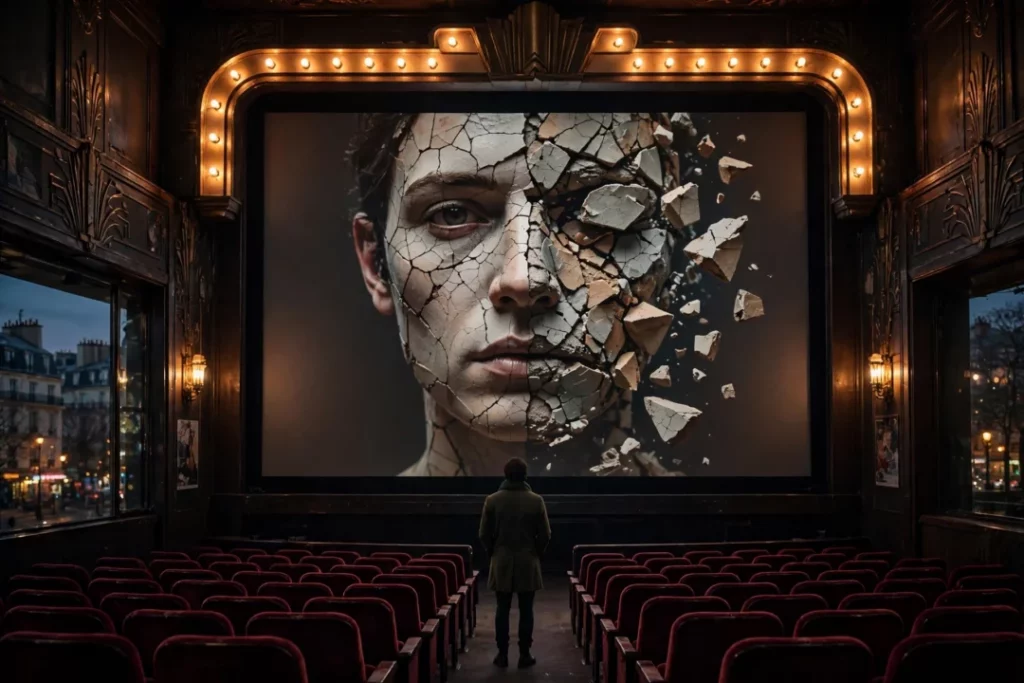
Paris is calling, and this time the jury cares more about the story than the software. The Artefact AI Film Festival — the Paris festival run by the data and AI consultancy Artefact with mk2, France’s arthouse cinema group — has opened its third edition, and it is the most writer-friendly AI film contest on our list so far.
The theme is “(Dis)Connection”: the new connections between cinema, AI, contemporary creation and digital experience, and the shifting line between human and machine, real and virtual, author and tool. It is a theme that rewards a human story first and a clever effect second — exactly what the jury presidents say they want. Olivier Nakache and Éric Toledano, the duo behind Intouchables, lead the jury this year. They are character directors, not effects directors, and the festival is blunt about it: this is above all a film festival where emotion and story come first. A five-minute showreel of impressive shots with no character in it is unlikely to win this room. The two previous chairs point the same way — Jean-Pierre Jeunet of Amélie in 2024, Cédric Klapisch in the second edition.
That is good news for anyone who writes before they generate. The rules ask for generative AI in all three phases of production, and they mean it as a craft requirement, not a gimmick: a generative tool in pre-production (the script, the dialogue, the storyboard, the look), one in production (the images, the video, the animation, the sets), and one in post-production (the edit, the voice, the music, the grade). You also submit a production log showing how you used each tool. Keep notes from day one; reconstructing a log at the deadline is how good films get disqualified on paperwork.

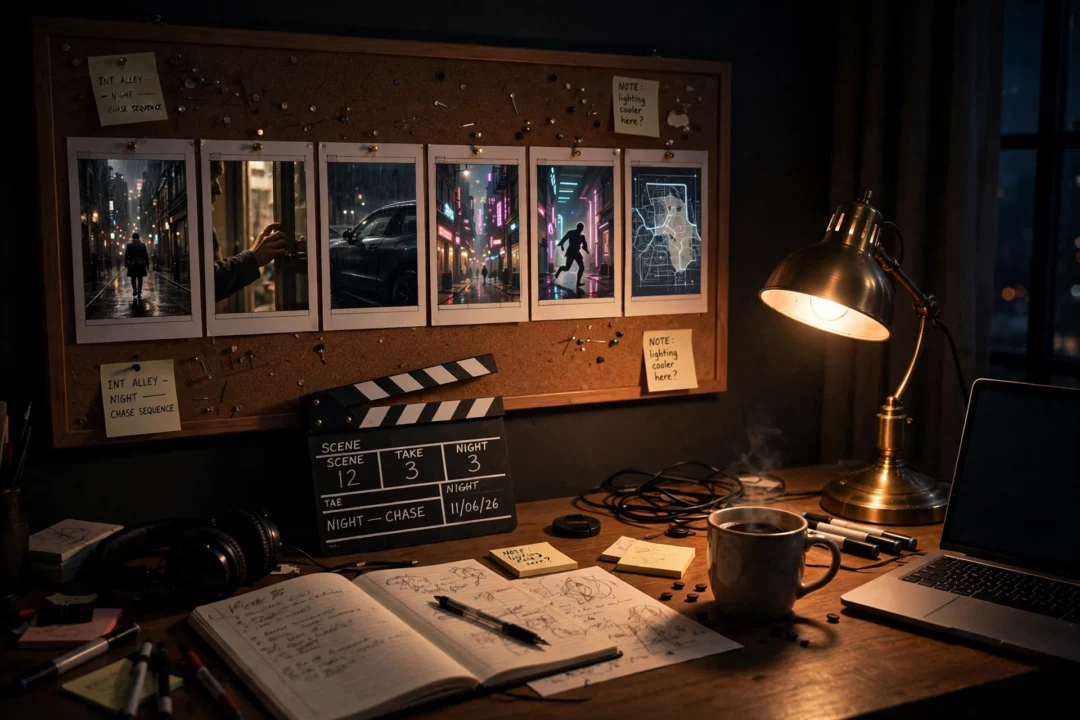
The format is tight and forgiving at the same time. Films run to a maximum of 314 seconds — five minutes and fourteen seconds, a nod to pi the festival has kept since its first edition — and the credits count, so plan on five minutes of picture and leave room. One film per person, open to everyone worldwide, with no age, country or experience restriction. First-time creators compete in the same pool as working directors, and you can withdraw your entry from your dashboard any time before the deadline if a better cut comes together.
Entry is free. The official site lists no fee, and submissions run through the festival’s own candidate portal rather than a submission platform. The deadline is December 2, 2026, with no cutoff hour published — treat December 1 as your real deadline and keep December 2 as buffer. After that, the audience vote runs December 9 to January 13, the jury deliberates in January, and the awards ceremony takes place in February 2027 at mk2 Bibliothèque in Paris.
The prizes are the most concrete on our list after Dubai. The Grand Prize is €10,000 for the best film of the festival, and the winner also gets a 30-second version of their film screened in all mk2 theatres for a week — a real theatrical placement, short as it is. Three further prizes pay €1,000 each: the Jury Award for original filmmaking or cinematography, the Audience Award for the most-voted film, and the AI Award for the best or most innovative use of artificial intelligence. The festival says more prizes are to be announced; last year it added a French Touch Prize and a €1,000 Paris Aéroport Prize, so the pot tends to grow.
The track record says this is a real festival, not a laurels mill. The first edition drew 267 entries from 35 countries; the second drew 265 from 52 countries, with twenty films in the final competition. The second edition’s Grand Prize went to Mark Wachholz’s “The Cinema that Never Was”, an AI video essay about the films that were never made — a film about what AI images are. It went on to win the top prize at the OMNI International AI Film Festival as well. A strong idea about the medium travels.
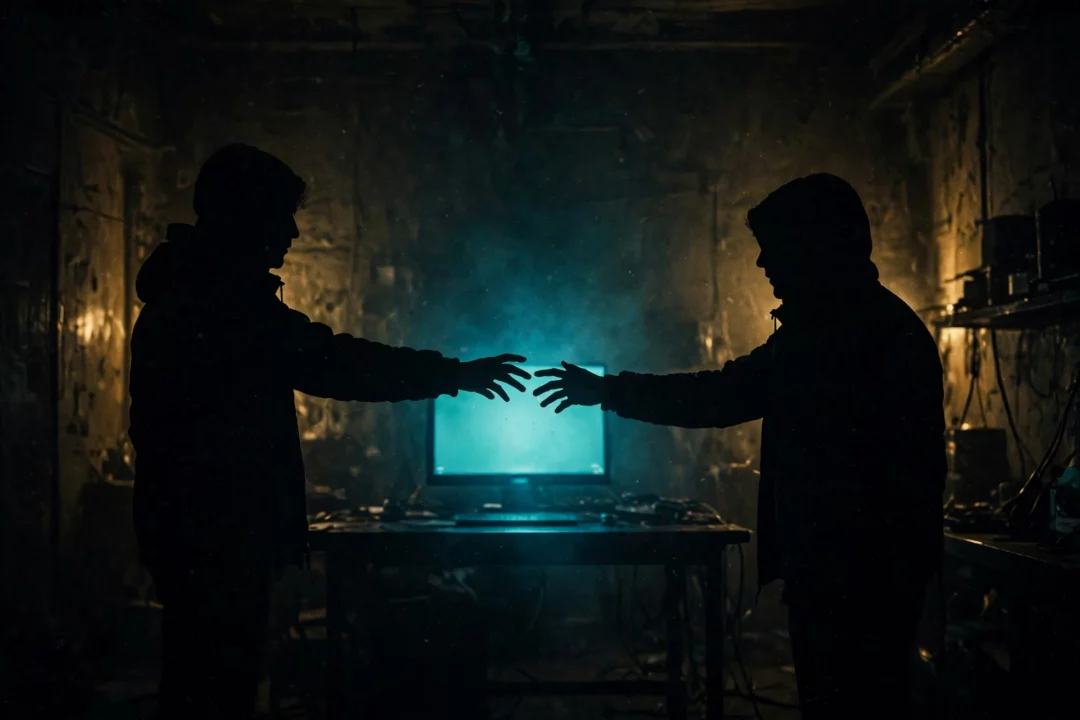
So what wins here? Read the theme three ways and pick the one only you can make. A human story about connection or its loss — two people who cannot reach each other, a family split across distance, someone talking to a machine because nobody else is there. That is Nakache and Toledano territory. Or a film about the medium itself, in the line of last year’s winner: what it means that a model can show you a memory that never happened, or a face that belongs to no one. Or a formal experiment where the disconnection lives in the image — glitches, broken continuity, a story told across mismatched styles, used on purpose and tied to a character. Avoid the literal version: a robot learning to love, or a city of screens where nobody looks up, is the first idea most entrants will have.
Key facts:
- Festival: Artefact AI Film Festival, 3rd edition, Paris (Artefact × mk2)
- Theme: (Dis)Connection
- Deadline: December 2, 2026 (submit early — no cutoff hour published)
- Length: max 314 seconds (5:14), credits included
- AI: generative AI required in pre-production, production AND post-production; production log required
- Fee: free (official site lists no fee)
- Prizes: Grand Prize €10,000 + 30-sec cut in all mk2 theatres for a week; Jury / Audience / AI awards €1,000 each
- After: audience vote Dec 9, 2026–Jan 13, 2027; ceremony Feb 2027, mk2 Bibliothèque, Paris
- Enter: artefact-ai-film-festival.com (candidate portal)
- Our status: tracking / not entered / nothing paid
For our campaign, this one goes on the board as contest thirteen. We are tracking it, not entered, and nothing has been paid. The November 20 cluster — Cue Xmas, Dubai, M.AI Cagliari — comes first, and this is the next date after it: December 2, a short film under five minutes and fourteen seconds, on disconnection, made with AI in every phase and logged as we go. That is a film worth making, and a jury worth making it for.
— Christifa & Associates